

Tech Executives: Pope Leo XIV Calls for a Moral Code for AI – Let’s Make it Happen!
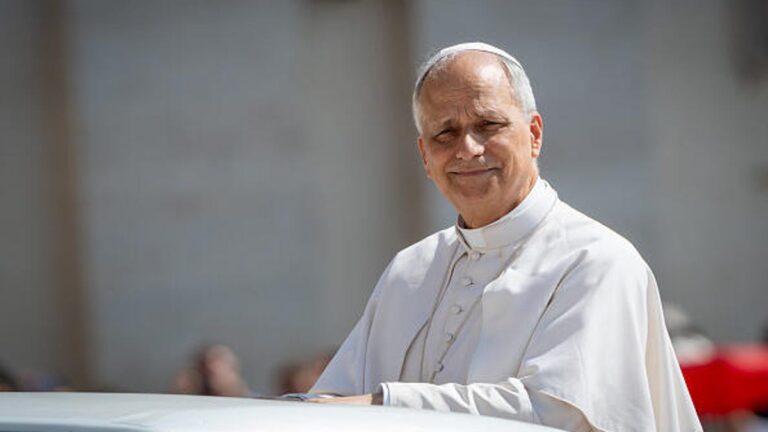
In the fast-paced world of technology, advancements in Artificial Intelligence (AI) have been at the forefront of innovation. From self-driving cars to virtual assistants, AI has transformed the way we live and work. However, with great power comes great responsibility, and the ethical implications of AI have been a topic of debate in recent years. It is in this context that Pope Leo XIV has called for tech executives to come up with an ethical framework for AI.
In a speech delivered at the Vatican, Pope Leo XIV highlighted the need for a moral code for AI, stating that “technology is a gift from God, but it can also be a double-edged sword if not used wisely”. The Pope stressed the importance of considering the impact of AI on society and ensuring that it aligns with ethical principles and values.
The call to action from the Pope comes at a crucial time when AI is being integrated into various industries, including healthcare, finance, and transportation. As these AI systems become more sophisticated and autonomous, it is essential to have a moral code in place to guide their development and use.
One of the main concerns surrounding AI is the potential for biased decision-making. AI systems are only as unbiased as the data they are trained on, and as we know, data can be biased. If AI systems are not designed with diversity and inclusivity in mind, they can perpetuate societal biases and discrimination. This can have far-reaching consequences, from discriminatory hiring practices to biased sentencing in the criminal justice system.
A study by the AI Now Institute found that facial recognition software has a higher error rate when identifying people of color, leading to false accusations and arrests. This is just one example of how AI can perpetuate systemic racism and discrimination. With a moral code in place, tech executives can ensure that AI systems are designed and trained to be unbiased, promoting fairness and equality.
Another issue with AI is the potential loss of jobs. As AI systems become more advanced, there is a fear that they will replace human workers, leading to a rise in unemployment. According to a report by the World Economic Forum, by 2025, automation and AI are expected to displace 85 million jobs, while creating 97 million new ones. This shift in the job market will require a re-skilling of the workforce to adapt to the changing landscape.
To address this, the moral code for AI should include provisions for job displacement and the responsibility of tech companies to provide training and support for workers. This will not only help individuals affected by AI but also ensure a smooth transition to a more technologically-driven workforce.
Privacy and data protection are also significant concerns when it comes to AI. As AI systems collect and analyze vast amounts of data, there is a risk of this information being misused or falling into the wrong hands. The moral code for AI should include strict guidelines for data privacy and security, with companies being held accountable for any breaches.
In addition to these concerns, there is also the issue of transparency and accountability. AI systems are often considered “black boxes,” meaning that it is challenging to understand how they make decisions. In cases where AI is used to make critical decisions, such as in healthcare or finance, it is crucial to have transparency and accountability to ensure the system’s accuracy and fairness. The moral code for AI should include provisions for transparency and the responsibility of tech companies to provide explanations for how their AI systems make decisions.
The Pope’s call for a moral code for AI has been met with both praise and skepticism. Some argue that a moral code can be easily ignored and does not hold any real power. However, others believe that it is a necessary step towards ensuring that AI is developed and used in an ethical and responsible manner.
In response to the Pope’s call, major tech companies such as Google and Microsoft have already taken steps towards creating ethical AI frameworks. However, more needs to be done, and it is crucial for all tech companies to come together and collaborate on a universal moral code for AI.
In conclusion, the advancements in AI have the potential to bring about great benefits to society, but it is essential to consider the ethical implications. The call for a moral code for AI by Pope Leo XIV is a step in the right direction, and it is up to tech executives to make it happen. By integrating ethical principles into the development and use of AI, we can ensure that it serves humanity and promotes the common good. Let us heed the Pope’s call and work towards creating a better and more just future for all.
Referência:
Clique aqui
