


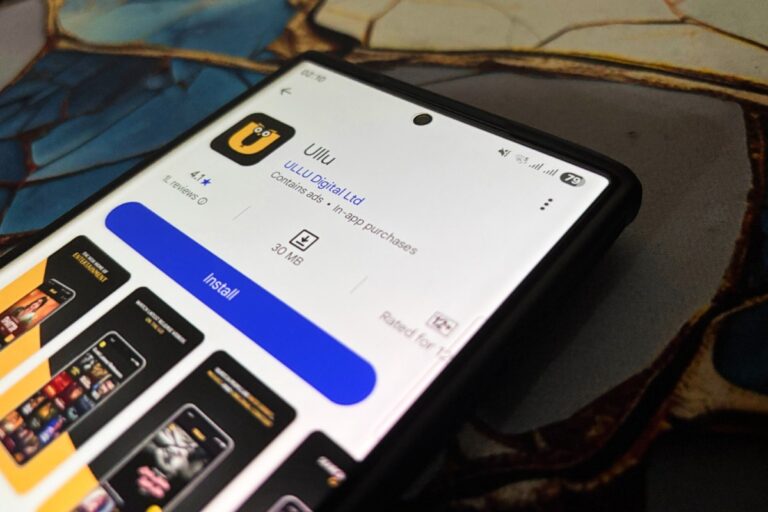
Say Goodbye to Your Favorite Streaming Apps: India’s Latest Ban Leaves Viewers in a Frenzy!
In a move that has taken the world by surprise, India has recently announced a ban on several popular streaming apps, leaving millions of people in a frenzy. The ban, which was implemented by the Indian government under the Information Technology Act, has already affected millions of users and has left them without their favorite source of entertainment.
The ban includes a total of 59 apps, most of which are Chinese-owned, including popular ones like TikTok, WeChat, and UC Browser. These apps have been removed from both the Google Play Store and the Apple App Store in India, making it impossible for users to download or access them.
While this ban comes as a shock to many, it is not entirely unexpected. India and China have been involved in a border dispute for months, and tensions have been high between the two countries. The ban on Chinese apps is seen as a retaliatory move by India, as the country aims to reduce its reliance on Chinese goods and services.
But what does this ban mean for the millions of users who have been using these apps on a daily basis? For starters, it means saying goodbye to their favorite streaming apps, which have become an integral part of their lives. Apps like TikTok, which has over 200 million users in India, have provided a platform for people to showcase their talents, connect with others, and even earn money. With the ban in place, these users are left with a void that cannot be easily filled.
But the ban has far-reaching effects beyond just entertainment. Many of these apps, such as UC Browser and WeChat, are also used for daily activities such as communication, online shopping, and even banking. With these apps banned, users are forced to find alternatives, which can be a challenge in itself. This ban has disrupted the daily lives of millions of people and has left them scrambling for alternatives.
The ban has also sparked concerns about data privacy and security. Many of these apps have been accused of collecting and sharing user data with the Chinese government, raising concerns about the safety of personal information. In fact, in recent years, there have been several reports of data breaches and security issues with these apps. With their ban, the Indian government is not only sending a message to China but also taking a stand on protecting its citizens’ personal information.
The ban has also dealt a significant blow to the Indian economy. With these apps being banned, it means that Indian companies and content creators who have been using these platforms to reach a wider audience will now have to find other means to do so. This will undoubtedly have an impact on the revenue generated by these companies and individuals, thus affecting the economy.
The ban has also raised questions about the future of the digital landscape in India. With the country being one of the fastest-growing markets for digital services, this ban has raised concerns about the government’s control over the internet and how it could impact the growth of the digital economy. It also brings to light the need for more homegrown apps and platforms that could fill the void left by these banned apps.
While the ban has been met with mixed reactions, it is evident that it has caused a significant disruption in the lives of millions of people. The ban has also sparked a debate on the power and influence of foreign apps in India and the need for more homegrown solutions. It remains to be seen how the Indian government will address these concerns and how it will impact the relationship between India and China.
In conclusion, India’s ban on Chinese apps has caused a frenzy among users and has raised questions about the future of the digital landscape in the country. While the ban may have been implemented for political reasons, it has highlighted the need for stricter regulations and more homegrown solutions in the digital space. For now, users in India are left to say goodbye to their favorite streaming apps and find alternatives, while the government works towards building a more self-reliant digital ecosystem.
Referência:
Clique aqui
