


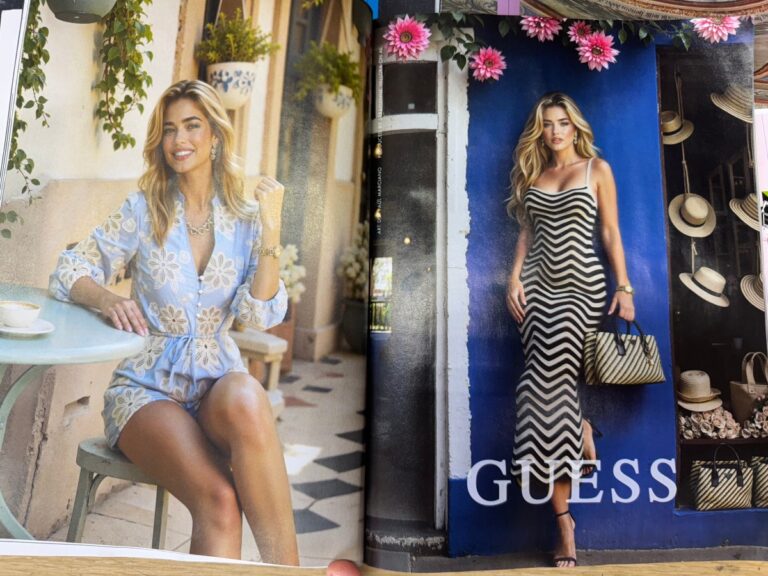
Fashion or Fiction? The Controversy Surrounding Vogue’s AI-Generated Ad
In the world of fashion, creativity and innovation are highly valued. Designers, models, and photographers constantly strive to push the boundaries and come up with new and unique concepts. However, with the rise of technology, the fashion industry is facing a new challenge – the use of artificial intelligence (AI) in advertising.
Recently, Vogue, one of the most influential and iconic fashion magazines, sparked controversy with its latest ad campaign. The ad featured an AI-generated model named Shudu, wearing a dress from Balmain’s latest collection. While the ad was praised for its stunning visuals and cutting-edge technology, it also raised questions about the role of AI in the fashion industry and its potential impact on human models.
The reaction to the ad was mixed, with some applauding Vogue for embracing technology and others criticizing the magazine for promoting unrealistic beauty standards. This controversy has shed light on the ongoing debate about the use of AI in advertising and its implications for the fashion industry.
Let’s take a closer look at this issue and explore both sides of the argument.
On one hand, proponents of AI in fashion argue that it brings a new level of creativity and efficiency to the industry. With AI, designers can create virtual models that are not limited by physical constraints, such as height, weight, or ethnicity. This allows for more diversity and inclusivity in fashion, as AI models can represent a wider range of body types and ethnicities.
Moreover, AI can also help streamline the design process. By using algorithms to analyze data from fashion trends and consumer preferences, designers can predict which styles and colors will be popular in the future, thus making more informed decisions. This not only saves time and resources but also reduces the risk of producing unsold items, which is a major challenge in the fast-paced fashion industry.
Additionally, AI can also be used in marketing and advertising to create personalized and targeted campaigns. By analyzing consumer behavior and preferences, AI can generate ads that are tailored to each individual, increasing the chances of a successful sale. This can be a game-changer for fashion brands, as it allows them to reach a wider audience and potentially increase sales.
However, on the other hand, there are concerns about the impact of AI on human models and the fashion industry as a whole. The use of AI-generated models raises questions about the future of human models and their role in the industry. Will AI models replace human models? Will this lead to a decline in job opportunities for models?
Moreover, there are also concerns about the perpetuation of unrealistic beauty standards. The AI-generated model in Vogue’s ad, Shudu, has been criticized for promoting a Eurocentric beauty ideal, as she has perfect features and a flawless complexion. This has sparked a discussion about the lack of diversity and representation in AI technology, which is often created by a predominantly white and male workforce.
Furthermore, there are ethical concerns surrounding the use of AI in fashion. As AI technology becomes more advanced, it raises questions about who owns the rights to these virtual models and who profits from their use. Should AI models be compensated for their work, or is it solely the responsibility of the creators and brands?
In addition to these concerns, there are also potential risks associated with the use of AI in fashion. As AI technology is constantly evolving, there is a risk of it being used for malicious purposes, such as creating fake images or spreading misinformation. This can have serious consequences for both the fashion industry and society as a whole.
So, where do we go from here? Is AI the future of fashion or is it a threat to the industry?
The reality is, technology is here to stay, and it will continue to play a significant role in the fashion industry. However, it is crucial to find a balance between embracing technology and upholding ethical and inclusive standards. Brands and designers must ensure that AI technology is used responsibly and that it does not perpetuate harmful beauty standards or negatively impact human models.
Moreover, as AI technology becomes more prevalent in the fashion industry, it is essential to have diverse and inclusive representation in its development. This will not only ensure a more accurate representation of society but also promote ethical and responsible use of AI.
In conclusion, the controversy surrounding Vogue’s AI-generated ad has sparked an important conversation about the use of AI in the fashion industry. While there are undoubtedly benefits to using AI in fashion, it is crucial to address the potential risks and ethical concerns associated with it. As AI technology continues to evolve, it is essential to find a balance between innovation and responsibility to ensure a more inclusive and ethical future for the fashion industry.
Referência:
Clique aqui
