


Revolutionizing the Future: How Plasma is Set to Transform Everything from Semiconductors to Spacecraft
In 2025, the world will witness a major shift in technology thanks to the development of plasma technology. This revolutionary technology, according to SOSV, a leading venture capital firm, has the potential to transform various industries, from semiconductors to spacecraft. With its remarkable capabilities, plasma is set to revolutionize the future and change the way we live, work, and explore the universe.
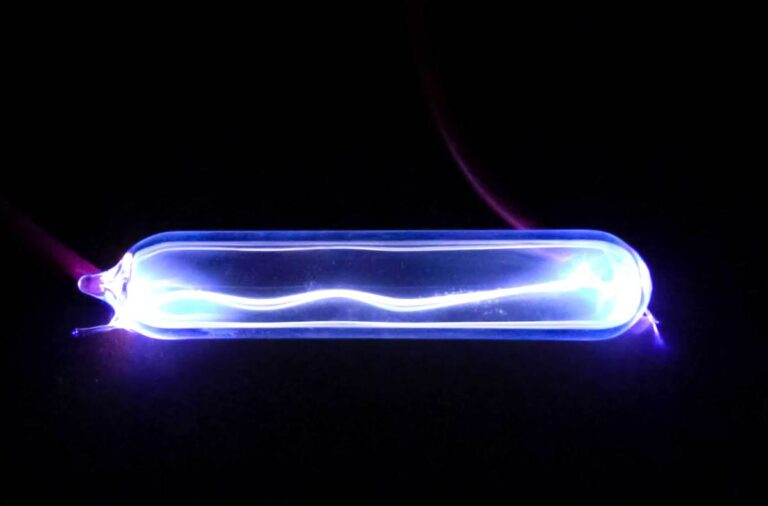
But what exactly is plasma? Plasma is the fourth state of matter, after solid, liquid, and gas. It is a highly ionized gas with unique properties that make it a game-changer in the world of technology. Unlike traditional gases, plasma can conduct electricity, generate magnetic fields, and emit light, making it a versatile tool for various applications.
One of the most significant impacts of plasma technology will be in the semiconductor industry. Semiconductors, which are essential components in electronic devices, have been traditionally made using silicon. However, with the increasing demand for faster, more powerful, and energy-efficient devices, the limitations of silicon-based semiconductors have become apparent. This is where plasma technology comes in.
Plasma-based semiconductors have the potential to outperform traditional silicon-based ones in terms of speed, power, and efficiency. By using plasma to create nanostructures on the surface of the semiconductor, scientists can manipulate the flow of electrons, resulting in faster and more efficient devices. This development will not only benefit the consumer electronics industry but also have a significant impact on sectors such as healthcare, transportation, and renewable energy.
In the healthcare industry, plasma technology is already being used to develop innovative medical devices. For example, plasma can be used to create biocompatible coatings for medical implants, reducing the risk of rejection and improving patient outcomes. Plasma can also be used to sterilize medical equipment, eliminating harmful bacteria and viruses without the use of harsh chemicals.
Moreover, plasma technology is set to revolutionize the transportation sector. With the development of plasma-based propulsion systems, spacecraft will be able to travel at unprecedented speeds, making space exploration more efficient and accessible. This technology will also have a significant impact on the aviation industry, as plasma-based engines will be more fuel-efficient and environmentally friendly, reducing carbon emissions and decreasing the cost of air travel.
Plasma-based technology is also making its mark in renewable energy. The use of plasma in solar cells has shown promising results, with higher efficiency and lower costs compared to traditional silicon-based solar cells. Plasma can also be used to produce hydrogen, a clean and renewable energy source, through a process called plasma electrolysis. This technology has the potential to revolutionize the way we produce and store energy, making renewable energy more accessible and affordable.
But the potential of plasma technology goes beyond Earth. With its unique properties, plasma can be used to simulate extreme conditions in space, allowing scientists to study celestial bodies and phenomena in a controlled environment. This technology will be crucial in developing new materials and technologies for space exploration, making it safer and more efficient.
The development of plasma technology has been made possible by the continuous advancements in research and the collaboration between academia and the industry. SOSV, through its deep tech-focused accelerator programs, has been at the forefront of supporting startups and researchers working on plasma-based technologies. With its vast network and resources, SOSV has been able to provide these innovators with the necessary support and funding to bring their ideas to life.
In addition to its potential impact on various industries, plasma technology also has the potential to create a significant economic impact. According to a report by the International Atomic Energy Agency, the global market for plasma-based technologies is estimated to reach $1.7 trillion by 2030. This market growth will not only create new job opportunities but also attract more investments in research and development.
In conclusion, plasma technology is set to revolutionize the future and transform various industries, from semiconductors to spacecraft. Its unique properties and capabilities have the potential to improve our lives, protect our planet, and expand our horizons. With the continuous support and investment in this technology, we can look forward to a brighter and more advanced future.
Referência:
Clique aqui
